Why You Should Focus On Making Improvements To Patio Heater Gas Cylinder
Proper Care and Maintenance of a Patio Heater Gas Cylinder Patio heaters are a favorite choice for both restaurants and homes. Most patio heaters are portable, and have bases on which a butane propane cylinder is stored. These heaters shouldn't be placed close to flammable decor or awnings. Gas regulators are also required to distribute the gas. This is crucial, as different gases require different regulators due to their different pressures. How do you select the right gas cylinder Although electric heaters are generally connected to a power supply and bound to the location of installation, gas heaters are much more portable. They run on patio gas cylinders that serve to store and dispense propane or butane, based on the model. The cylinders are connected to the heater using an gas regulator, which regulates the amount of gas released. The type of cylinder you select must match the regulator of your patio heater. Propane and Butane release different levels of gas pressure and cannot be interchangeable unless regulators are swapped. The best option is a propane gas cylinder for large patio heaters and tabletop models. Its size and weight makes it easy to move it, since you can remove the cylinder from the heater, and then carry the two components to a new location. Larger patio heaters freestanding may have the cylinder stored inside a compartment at the base, and a few have wheels to facilitate mobility. If you want a permanent outdoor heating system, there are post-mounted natural gas heaters that can be connected to the home's gas main by an authorized professional. They are ideal for those who utilize natural gas in their homes and can save fuel costs by connecting the existing supply. 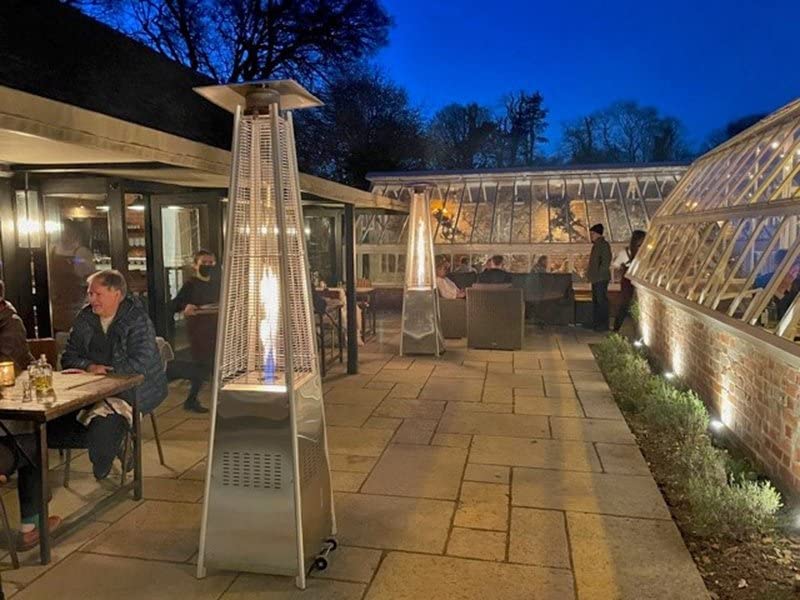 Safety precautions Patio heaters are a great option to enjoy the outdoors during the winter. It allows you to continue entertaining and relaxing in your garden into the evening, even if the sun has set and the temperature drops. However, patio heaters can be a fire and smoke hazard There are important safety precautions to be taken. Only adults who are familiar with the instructions of the manufacturer are permitted to operate a patio heating unit. Be sure to keep the unit away from animals and children. It must also be placed in a spot that is free of winds which could cause it to tip over. Keep a fire extinguisher in the vicinity in the event of an emergency. Propane cylinders should never be stored in. They must be secured against theft or alteration by security measures such as locking mechanisms and secure enclosures. Children and pets should not be allowed to touch them, as they could pull the valve and cause gas leaks. Propane cylinders should be kept in a space which is well ventilated and away from any flammable items such as furniture. Look for patio heaters that have a thermocouple integrated into. This will cut off the flow of propane when it detects the heat coming from the pilot light which will prevent fire hazards. Also, make sure the unit is equipped with a tipover switch that will stop the gas flow if the unit is tilted more than 15 degrees away from the vertical position. When you are deciding where to place your outdoor heater, make sure it is ventilated. Also, make sure it is at least three feet from ceilings, walls and other furniture. Avoid placing it near flames, combustible material or building openings. It's important to keep the cylinder clear of rain and snow, and to disconnect it from the heater when it is not being used. Installation As the sun sets and the temperatures start to drop, it's essential to keep everyone warm. A gas patio heater is the ideal solution to prevent an evening outside from being interrupted by a sudden nip in the air. This is a great option to relax in your garden into the evening and is a great accessory for parties and gatherings. There are a variety of types of patio heaters available and it is crucial to select the best one for your needs. Some are propane-powered, while others are powered by electricity or natural gas. Propane patio heaters are powered by a portable propane tank, while others are powered by a hose that is connected to a gas supply or gas lines. Electric patio heaters are an alternative, but they can be expensive to operate. The majority of patio heaters can accept a propane tank weighing 20 pounds. However, the capacity may vary from model to model. A hose nozzle is attached to the top of each tank to connect it to the patio heater. Some models use an igniter that is manually operated to ignite the fuel, while others employ an automatic igniter. It is a good idea to purchase an extra tank for backup in case your patio heater requires a lot of fuel to operate. The weight and size of a propane tank can affect the stability of a patio heater, so it's crucial to set the unit on a sturdy base. Positioning the heater away from any flammable objects such as umbrellas and awnings, is an excellent idea. It's also recommended for patio heater users to read the instructions of the manufacturer carefully, especially those that contain safety warnings. It's a good idea check that the tank for your patio heater is filled with propane and has been cleaned and examined prior to using it. It's also a good idea to have a spare tank available in the event in an emergency, and to store the propane cylinder safely when it's not being used. Maintenance Patio heaters make a wonderful accessory to any outdoor space, but just like any other piece of outdoor furniture they require regular maintenance. It is possible to begin by cleaning your gas cylinder on a regular basis with a mild household cleanser or a stainless-steel cleaner in the case of models with brushed stainless. Regardless of your chosen cleaner, it is best to apply the cleaner/chemicals in an upward motion to avoid scratching the surface. It is also important to be on the lookout for any cracks or chips in the cylinder. If you notice any of these issues make contact with your supplier as quickly as possible. They might be able to fix the issue for you or even provide a replacement. Propane is a fuel that can ignite, and when your gas cylinder is damaged by any cracks or chips it can cause a fire. To prevent this, always keep a fire extinguisher in the vicinity and ensure that you ensure that children are not roughhousing around your outdoor heater. Examine the regulator and hose for damage frequently. If Gas patio heaters UK is cracked or damaged it's time to replace it as soon as possible. The regulator controls the amount of gas that is dispensed. The correct regulator is crucial for your patio heater because different kinds of gas are released at different pressures. Butane and propane aren't combined because they're both at different pressures. If you're using natural gas patio heaters, it's a good idea to engage a professional to install the special lines needed for natural gas-powered products. It is also necessary to inspect your heater regularly for leaks by applying soapy water to all connection points as well as the valves. If you notice that bubbles are forming or smell gas, turn off the supply and call a technician. When not in use, keep your patio heater stored in a proper manner. This will prevent the clogging of the gas pipe and will help to extend the life of your heater. If your heater is stored over winter, remove the reflector by wing nuts and place it on a flat surface. Cover the heater with a blanket or waterproof cover to shield it from weather damage.